Beyond the Bottle
How our drinks programme grows from the same larder as the kitchen, from botanical cocktails and non-alcoholic pairings to the wine list
A beverage programme is usually one of the ever-so-slightly lesser-considered aspects of a restaurant’s identity. It’s often treated as an appendix: something to accompany the food rather than converse with it. Yet we view the drinks programme as a natural extension of our kitchen, both in practice and in ideology. It begins in exactly the same place as the menu itself. Every morning, the beverage team works shoulder to shoulder with the chefs in the open kitchen, dipping into the communal larder, tasting what’s arrived and asking the same question: what does the landscape taste like today?
It means that produce regularly crosses the invisible line between plate and glass. For example, wild rose (which lends a delicate floral note to the summer ponzu accompanying our hamachi course) also finds its way into our glasses during our staff meal. Lapsang tea provides a smoky counterpoint for our iced tea. Similarly, herbs, blossoms and botanicals drift naturally between kitchen prep and beverage prep throughout the day.
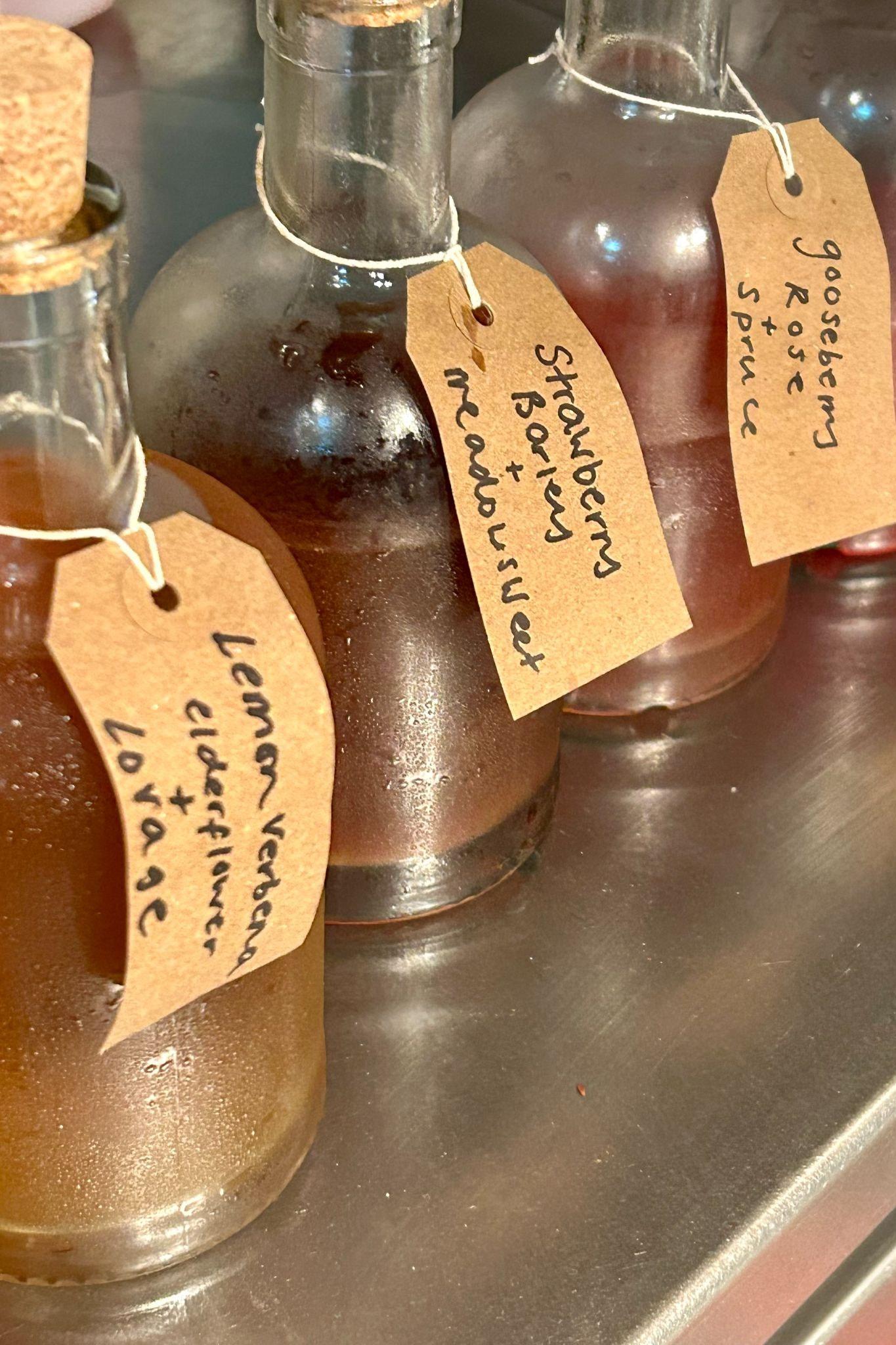
Our aim isn’t to transform ingredients beyond recognition, but to give them a clearer voice. Every process is deliberately restrained, preserving the flavour, aroma and texture of the ingredient itself. Nowhere is that more evident than in the non-alcoholic pairing. Rather than echoing the wine pairing options, it has been developed as a programme in its own right. Built from infusions, seasonal ferments, preserved botanicals and carefully brewed teas, each pairing is designed with the same complexity, balance and sense of place as every other plate leaving the kitchen.
Much of that thinking has been shaped by Emily, who leads the development of everything beyond the wine list, from cocktails and house softs to the restaurant’s non-alcoholic pairings. Rather than building drinks around trends or technique for technique’s sake, her botanically led approach mirrors the kitchen’s own philosophy to let exceptional ingredients speak first.
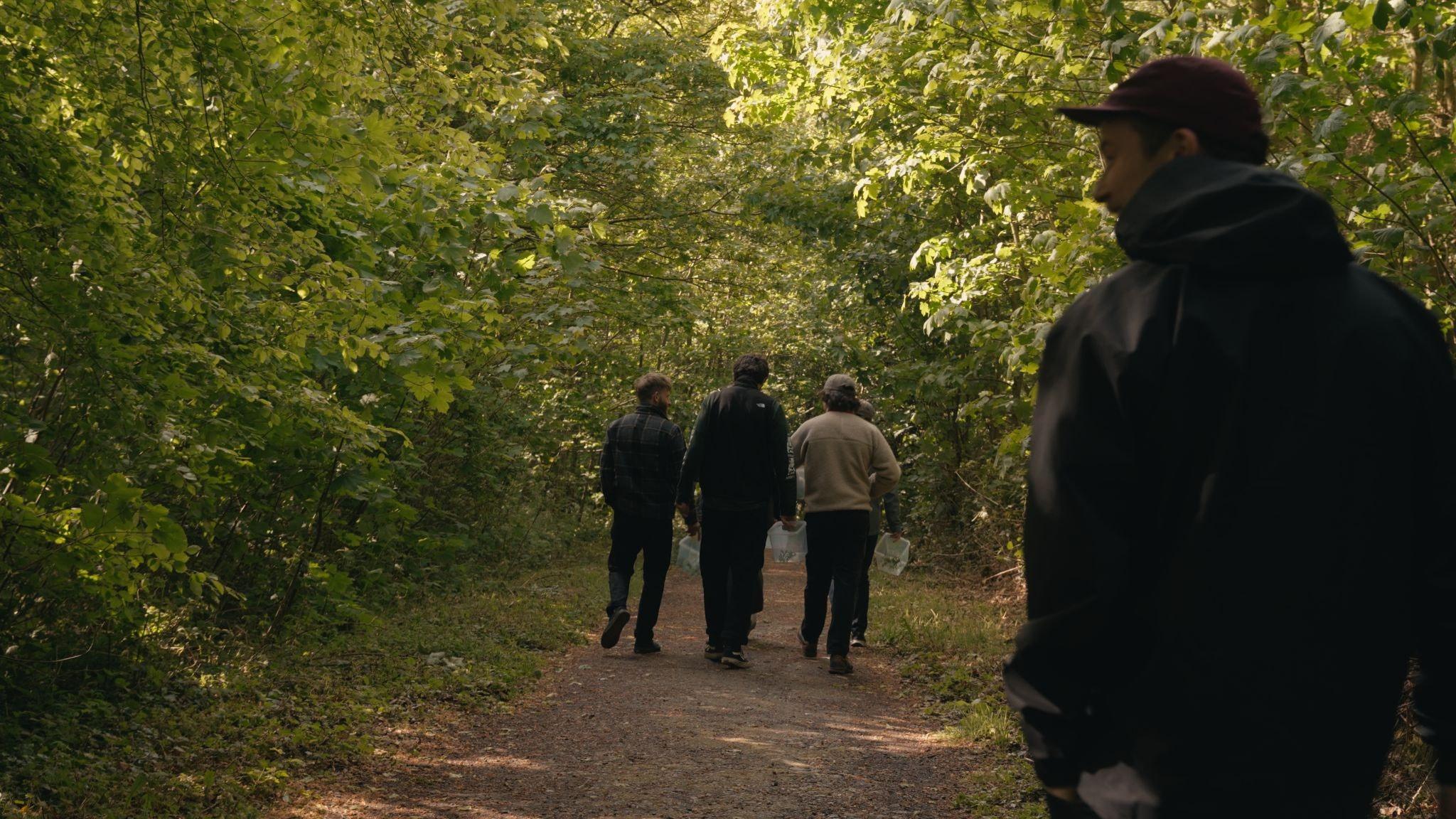
As the Restaurant and Guesthouse grows, so too will our own pantry of bitters, amaros and digestifs. While getting to know the local area, our understanding is growing deeper and we’re honing in on our foraging spots. Heather, larch cones, pineapple weed and honeysuckle are already finding their way into experimental batches, while recent weeks have been spent gathering meadowsweet and processing gooseberries as the seasons begin to shift. Apple season promises another chapter. We are especially excited to have a go at wild fermenting our own cider from those apples around Laois and beyond. All that’s missing now is a fruit press. If you know where we might find one, do let us know. Our DM’s are open.
Waste, meanwhile, is simply another ingredient waiting for its next purpose. Leftover wine becomes house vermouth and surplus fruit is preserved rather than discarded. Whether it evolves into an Irish-inspired amaro, a liqueur or a shrub, the philosophy is the same - if an ingredient still has something to offer, we’re not finished with it yet. Some of our favourite drinks begin with ingredients you might otherwise overlook. Blackcurrant leaf from Rose Cottage Farm, just 10 minutes down the road, is infused into gin before being clarified for our Blackcurrant Leaf Martini. The blackcurrants themselves are now resting on some Longueville House Apple Brandy, to be enjoyed as part of our autumn drinks offering. Elderflower gathered from the surrounding countryside forms the base of our White Negroni. Fig leaves picked on-site perfume Irish whiskey for our Sour, while also bringing their distinctive coconut-like aroma to the milk oolong tea served as part of the non-alcoholic pairing. Watching one ingredient reveal itself in several different ways has become one of the most rewarding parts of developing the programme.
The signature flavour running through the cocktails and softs is nature itself. Botanicals connect every glass back to the hedgerows, gardens and woodlands beyond the restaurant, giving the drinks the same sense of seasonality that defines the food. Preservation sits at the heart of that approach. Ingredients are captured at their peak using traditional techniques and minimal intervention, extending the life of the seasons without masking them beneath unnecessary sugar or heavy-handed processing.
The wine list follows a parallel philosophy. Rooted in low-intervention producers with a strong sense of place, it balances organic, biodynamic and environmentally conscious winemaking with bottles chosen because they deserve to be poured. We wanted to focus on exciting, terroir-driven wines while also celebrating timeless classics. On our list, wines from volcanic soils sit alongside classic crus and established names. Every bottle has truly earned its place. As well as those renowned regions, we also champion lesser-known wine-growing areas and indigenous grape varieties from countries such as Austria, Spain and Italy. And we have plenty of Grower Champagnes to pop when the occasion calls for it.
Our three different levels of wine pairings are named after Irish wildflowers: Nóinín (Daisy), Fraoch (Heather) and Lus Mór (Foxglove). These feature a mixture of our favourite producers, alongside more sought-after pours, special vintages and single-plot bottlings. Even our by-the-glass selection rarely stands still, changing every few days as new bottles arrive and conversations continue. It keeps things interesting for both staff and guests. We’ve had a great run on rosé lately, which has become the aperitif of choice in our garden.
Building out our cellar has been a process well over a year in the making, and every new delivery still feels a little like Christmas. Crates and boxes arriving at our doorstep spark ideas about potential pairings, often leading to plenty of back and forth as we taste, discuss and refine where each bottle belongs. With over 200 entries and growing by the day, we’re only just beginning to explore its full potential. From back vintages sitting perfectly within their drinking window to exciting new discoveries from producers we admire, every bottle has been chosen with purpose. We see the wine list as something that is constantly evolving alongside the restaurant, allowing us to respond to the seasons, the menu and the stories we want to tell through our pairings. When you enter through our doors, be sure to pop into our cellar - we’d love to show you about.
Ultimately, the beverage programme is designed to not only accompany the food, but to continue the conversation. Whether poured from a bottle, shaken with botanicals or brewed as tea, every glass is another way of reading the landscape. Another vessel to connect people more closely to the origins of their food and drink, to foster a greater understanding of seasonality, craftsmanship and the stories behind each ingredient. Cheers to that.
More from the journal